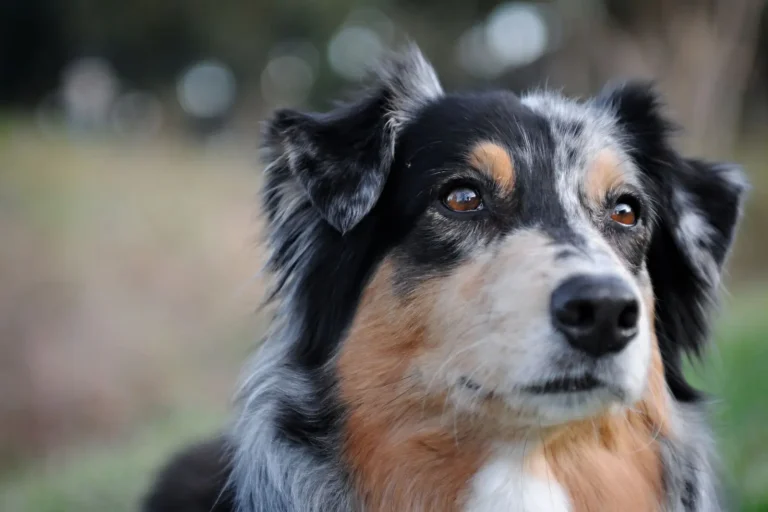

Living with an Australian Shepherd in Sydney is straightforward until it isn’t. On paper, the breed fits many households – they’re intelligent, trainable, and genuinely affectionate. But Sydney’s heat, the city’s particular rhythm, and the breed’s actual energy requirements create a specific set of conditions that catch many owners off guard. I’ve worked with dozens of these dogs across the city, and the pattern is consistent: people underestimate the heat factor and overestimate how much exercise a daily walk provides.
The first thing that becomes obvious is temperature management. Australian Shepherds have a double coat designed for variable conditions, not sustained heat. Sydney summers push into the high 30s Celsius regularly, and their coat doesn’t shed seasonally here the way it would in cooler climates – it sheds year-round in response to artificial heating and cooling. More importantly, these dogs genuinely struggle in heat. They’re not dramatic about it, but they slow down, pant heavily, and their willingness to engage drops noticeably. A dog that’s content to work or play in 22-degree weather becomes reluctant and flat at 35 degrees. This isn’t laziness; it’s a physiological response. Many owners interpret this as the dog being “less energetic” than expected, when really the dog is managing heat stress.
Exercise and the Misconception of Tired Dogs
Australian Shepherds need consistent, purposeful activity. The breed was developed to work livestock across long distances, and that genetic pull toward task-oriented movement is real. A one-hour walk around the neighborhood doesn’t satisfy this. What does work is structured activity – training sessions, fetch games with clear rules, or puzzle-based play that engages their problem-solving drive. In Sydney, many owners rely on off-leash parks, which is fine, but only if the dog is actually working, not just wandering. A dog that’s genuinely tired is one that’s been asked to think, make decisions, and respond to direction. Mindless running around a park for an hour produces a dog that’s physically tired but mentally understimulated, and that’s when behavioral issues emerge.
The behavioral pattern I see most often is not aggression or destructiveness, but rather a kind of restless fixation. The dog becomes hyper-focused on minor things – a leaf, a shadow, a person walking past the window. They develop compulsive behaviors like excessive licking or spinning. This isn’t the dog being “broken” or having anxiety; it’s an intelligent animal with unmet mental needs finding something to do. Once owners shift to structured, cognitively demanding activity, this typically resolves within a few weeks. The dog doesn’t change; the stimulation level changes.
Sydney’s Urban Density and Socialization
Sydney is a densely populated city, and Australian Shepherds are moderately social dogs with a strong herding instinct. This combination matters. The herding drive doesn’t mean they’ll chase sheep – most never see livestock – but it does mean they have an impulse to control movement around them. In a busy urban environment with lots of foot traffic, other dogs, and cyclists, this can manifest as reactivity on lead. The dog isn’t aggressive; they’re trying to manage or respond to movement in their space. This is often misread as “not well-socialized,” but socialization alone doesn’t override genetics. What works is managing the environment and teaching the dog to disengage from the impulse to respond to movement. This takes time and consistency, but it’s very achievable.
Off-lead recall in urban areas is another practical consideration. Australian Shepherds are responsive to training, but they’re also independent thinkers. In a park with multiple distractions, a dog might choose to follow an interesting smell or another dog rather than return immediately. This isn’t disobedience; it’s the dog weighing options. Owners who expect perfect recall in high-distraction environments often end up frustrated. Realistic expectations – practicing recall in controlled settings first, using high-value rewards, and accepting that some environments are simply too stimulating – prevent a lot of unnecessary tension.
Grooming and Coat Management in a Warm Climate
The double coat requires regular maintenance, and Sydney’s climate makes this more relevant than in cooler regions. Brushing twice a week during heavy shedding periods isn’t excessive; it’s necessary. Some owners shave their Australian Shepherds in summer, which is a personal choice, but it’s worth understanding that the coat actually provides insulation against heat, not just warmth. A well-maintained coat with good air circulation underneath is often more effective than removing it entirely. That said, a shaved dog does shed less around the house, which matters in apartments or homes with light-colored furniture.
Professional grooming every 8-12 weeks is common practice here, and it’s worth budgeting for. A groomer who understands the breed and doesn’t strip the coat too short can make a real difference in how the dog handles heat and how much shedding occurs indoors.
Health Considerations Specific to Sydney
The breed has a few genetic predispositions worth monitoring. Hip dysplasia and progressive retinal atrophy are present in the population, and responsible breeders screen for these. Beyond genetics, Sydney’s specific environment brings a few practical health notes. Ticks are present year-round in many areas, so regular tick prevention is non-negotiable. Blue-green algae can appear in stagnant water during warm months, so avoiding lakes and ponds during algal bloom season is sensible. Paw pad burns on hot pavement are real – a dog’s paw pads can blister on 45-degree concrete in minutes. Walking in early morning or evening during summer isn’t optional; it’s basic care.
Dehydration sneaks up quietly with these dogs. They don’t always drink as much as they should in heat, and owners need to actively encourage water intake, especially after activity. Carrying water on walks and offering it frequently prevents a lot of preventable issues.
Living with an Australian Shepherd in Sydney works well when expectations align with reality. These are capable, responsive dogs that thrive on structured activity and clear engagement. The heat requires management, the coat requires maintenance, and the breed’s independent nature requires realistic expectations about obedience. None of this is difficult, but it does require awareness and consistency. Owners who understand these factors tend to have dogs that settle well into city life and genuinely enjoy their partnership with their dog, rather than feeling constantly frustrated by unmet expectations.