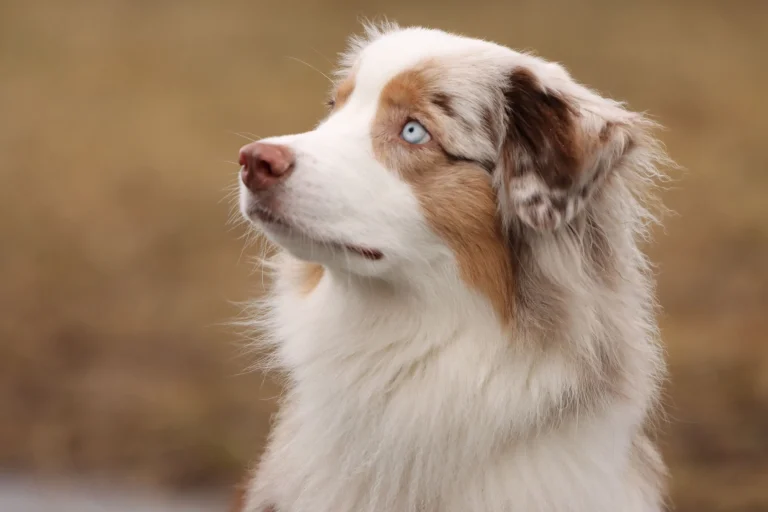

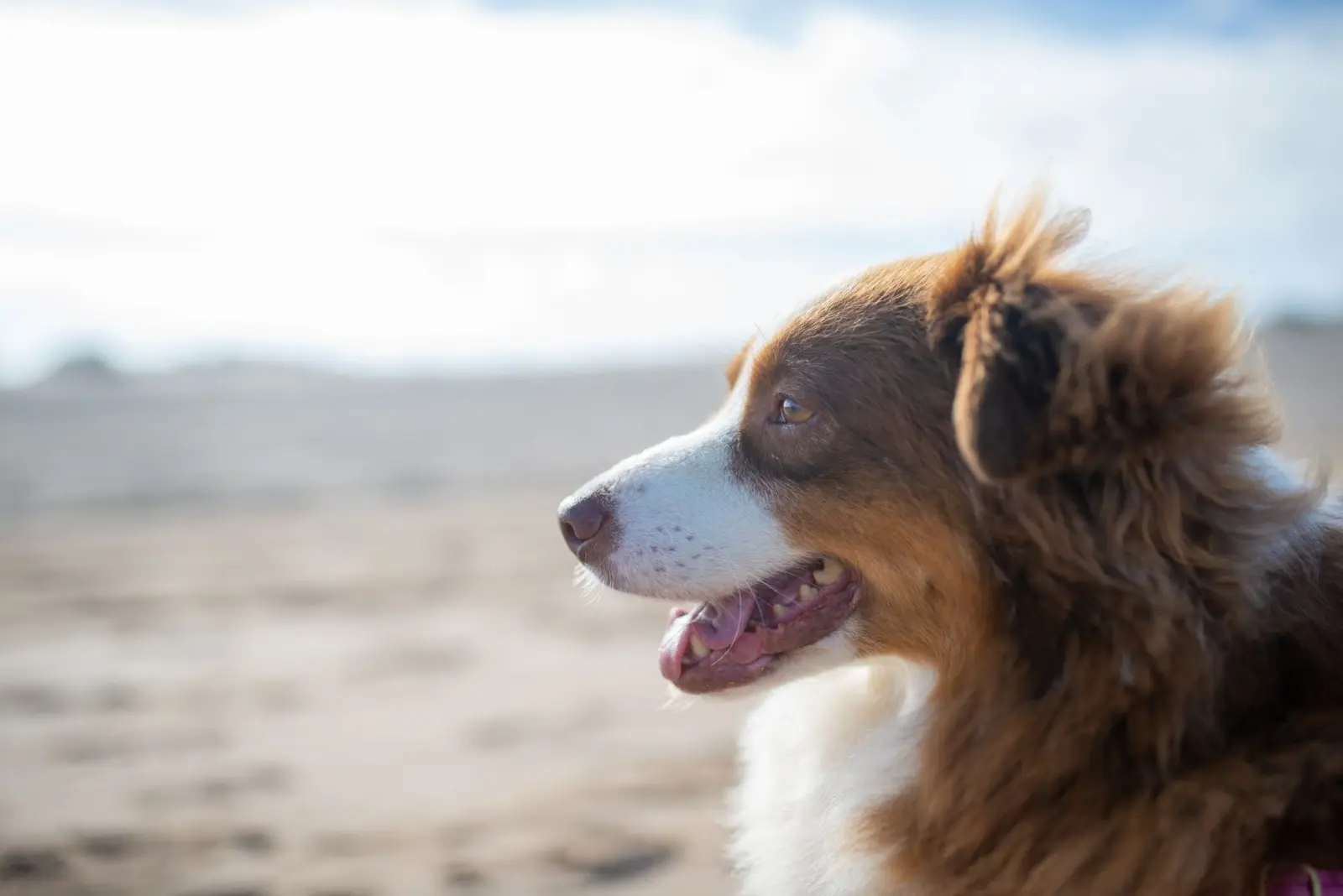
Australian Shepherds in Canberra are caught between two opposing seasonal realities. The breed was developed for work in warm climates, yet Canberra’s winters can drop well below freezing, and summers regularly exceed 35°C. After years of living with these dogs here, I’ve learned that the breed’s reputation as a hardy worker doesn’t automatically translate to thriving in our specific conditions without deliberate management.
The first thing most people underestimate is how much an Australian Shepherd’s thick double coat works against them during our hot months. These dogs shed year-round, but the shedding intensifies dramatically in late spring and early summer. A single dog can produce enough loose hair to fill a vacuum cleaner twice a week. It’s not just an aesthetic problem – that coat traps heat, and even with regular brushing, the dog’s core temperature stays elevated. I’ve watched dogs pant heavily in the shade during a 38°C day, unable to cool themselves effectively despite being outdoors. The breed’s energy level compounds this issue. Australian Shepherds don’t naturally slow down in heat the way some breeds do. They want to work, move, and engage, which generates internal heat that the coat then prevents from dissipating.
Managing Heat in Canberra Summers
The practical response isn’t complicated, but it does require consistency. Early morning exercise before 8 a.m. becomes non-negotiable from November through February. A solid 45-minute walk or run in cool conditions often satisfies the dog’s physical needs for the entire day, reducing the urge to move around during peak heat hours. Swimming is invaluable here – Canberra has several dog-friendly spots, and water immersion cools an Australian Shepherd far more effectively than air-based cooling alone. A dog that has swum for 20 minutes will rest comfortably for hours afterward.
Indoor time during the day is essential, not optional. Air conditioning isn’t a luxury; it’s a baseline requirement. A dog left outside in a yard during a 36°C day, even with shade and water, is at genuine risk. I’ve seen dogs develop heat stress within hours. The risk is worse than it appears because Australian Shepherds are stoic about discomfort. They don’t always show obvious signs of overheating until the problem is severe. Excessive panting, drooling, or lethargy might not appear until the dog is already in trouble.
Winter and the Opposite Problem
Canberra’s winters are sharper than most people expect. July temperatures regularly drop to 2 – 5°C, and frost is common. An Australian Shepherd’s coat actually protects them well in these conditions – perhaps too well. The breed doesn’t seem to mind cold weather at all, which can lead to owners leaving them outside longer than is practical. Wet conditions are the real issue. A dog with a wet double coat in cold weather takes an extremely long time to dry. If they come inside wet and spend hours drying on tile floors or in a cool room, they can develop skin irritation or fungal issues that take weeks to resolve.
The breed’s exercise needs don’t diminish in winter, but the nature of that exercise changes. Shorter daylight hours mean fewer opportunities for outdoor play. A dog accustomed to two hours of daily activity suddenly gets 45 minutes because it’s dark by 5:30 p.m. This mismatch between energy and outlet is where behavioral problems often emerge. Destructive chewing, excessive barking, and general restlessness spike in winter for Australian Shepherds that don’t have structured indoor activity. I’ve found that puzzle toys, scent work, and training sessions become far more important during the colder months than they are in summer, when outdoor activity alone can tire the dog out.
Coat Maintenance Across Seasons
Regular brushing isn’t optional with this breed in Canberra. During shedding season – roughly September through November and again in March through May – daily brushing is realistic. A slicker brush and undercoat rake are essential tools. Skipping this for even a few days results in matting that’s difficult to remove without damaging the coat. Mats aren’t just uncomfortable; they trap moisture against the skin and create conditions where fungal infections thrive, particularly in the warmer months.
Bathing frequency should be adjusted seasonally. In summer, monthly baths help manage shedding and keep the coat clean. In winter, bathing every 6 – 8 weeks is usually sufficient, and the dog needs adequate time to dry completely afterward. Many owners make the mistake of bathing their Australian Shepherd before a cold snap, then wondering why the dog develops skin issues. A damp coat in cold weather is genuinely problematic for this breed.
Professional grooming is worth considering, though many groomers are hesitant to shave Australian Shepherds. The breed’s coat provides insulation in both directions – it keeps heat out in summer and in during winter. A shaved Australian Shepherd loses that protection entirely. If grooming is necessary for health reasons, a trim that removes excess length without removing the undercoat is the better approach. I’ve seen dogs shaved completely in summer, only to overheat worse because the exposed skin burns in the sun.
Exercise and Mental Engagement
The breed’s working heritage means they need more than just physical exercise. An Australian Shepherd that gets a long walk but no mental stimulation will still develop behavioral issues. Canberra’s parks and open spaces are plentiful, which is fortunate, but they need to be used strategically. Fetch games, agility work, or even structured hiking with navigation challenges engage the dog’s problem-solving drive in ways that simple running doesn’t.
Training is genuinely a form of exercise for this breed. A 20-minute training session can tire an Australian Shepherd as much as a 45-minute walk because it demands focus and decision-making. In winter, when outdoor time is limited, this becomes invaluable. The dog that spends 30 minutes learning a new command or working through a training puzzle will rest more contentedly than one that simply got walked.
Socialization with other dogs is common in Canberra, and Australian Shepherds generally handle it well, but they’re not pack dogs by nature. They were bred to work independently, managing livestock without constant direction. A dog that seems antisocial or aloof in group settings isn’t necessarily unhappy or poorly socialized – that’s often just the breed’s temperament. They’re observant and selective about interaction rather than indiscriminately friendly.
Living with an Australian Shepherd in Canberra requires accepting that the breed’s needs shift with the seasons more dramatically than many owners anticipate. The dog that thrives in a structured routine during winter might struggle through summer without deliberate heat management. Neither season is inherently problematic, but each demands different strategies. After several years with these dogs in this climate, the pattern becomes clear: success comes from adjusting expectations and routines rather than expecting the dog to simply adapt to whatever conditions exist.