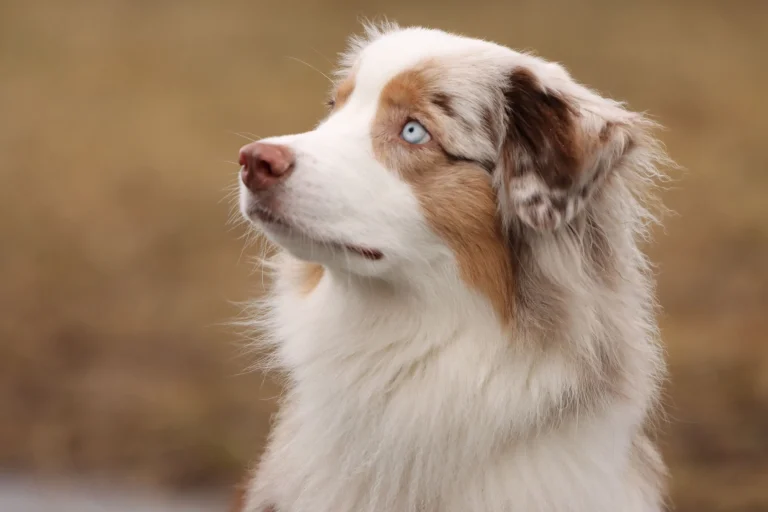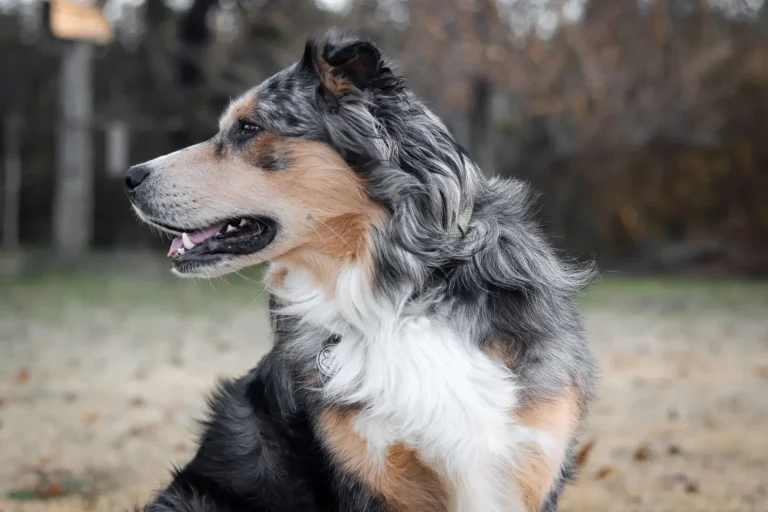

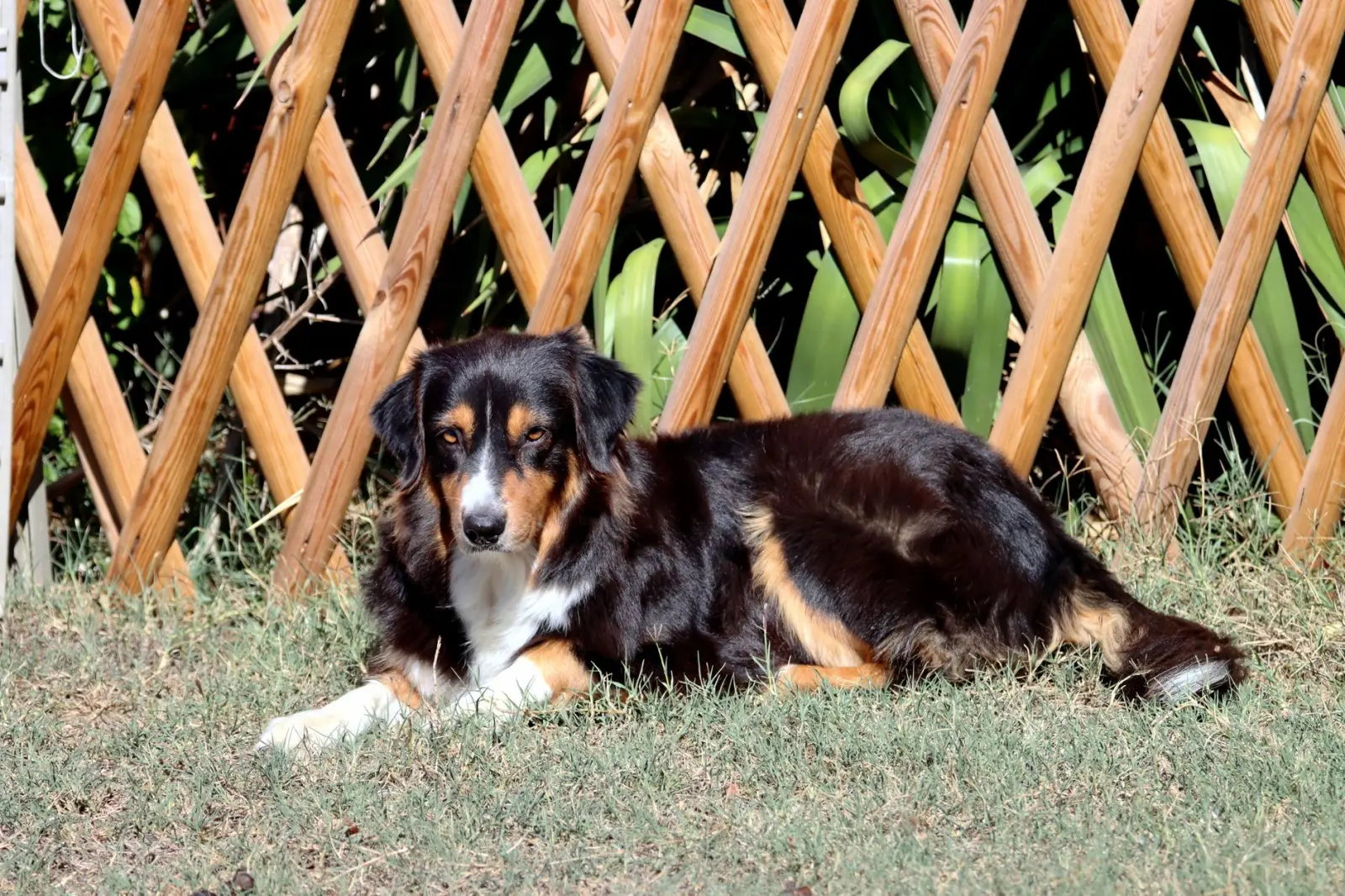
Australian Shepherds don’t have a single moment where they’re suddenly “done” growing. I’ve worked with enough of these dogs to know that their development is more of a gradual transition than a clear finish line. Most reach their full height somewhere between 12 and 18 months of age, but that’s really just one part of the picture. Their body continues to fill out, their chest deepens, and their overall frame solidifies well into their second year and sometimes beyond.
The variation in timing is real and worth paying attention to. Males tend to take longer than females – sometimes several months longer. A female might look fully grown by 14 months while her male littermate is still adding muscle and bone density at 20 months. Genetics play the largest role here. If both parents were larger dogs, your pup will likely follow that trajectory. If one parent was more compact, you might see a smaller dog or one that develops more slowly.
What I’ve noticed most often is that owners mistake height for overall maturity. A young Australian Shepherd can reach their adult height relatively early – sometimes by 12 months – but they’re far from finished developing. The skeletal system is still hardening. The muscles are still building. The dog might look like an adult but behave like a teenager with all the energy and clumsiness that implies. This is why jumping, intense play, and long-distance running should be managed carefully during this phase. Their bones are still vulnerable to injury even when they look sturdy.
The Growth Phases You’ll Actually Observe
From birth to around 8 weeks, puppies are growing rapidly but still entirely dependent on their mother. Once they’re in your home, the real acceleration begins. Between 8 weeks and 4 months, you’ll see dramatic changes week to week. The pup gains weight noticeably, their paws seem disproportionately large, and their coordination is still catching up to their size. This is the phase where they’re most fragile and most prone to injury from their own enthusiasm.
The 4 to 8 month window is where things get interesting. Growth is still fast, but it’s becoming more proportional. The long legs start to make sense with the body. Coordination improves significantly. This is also when many owners notice behavioral changes – the pup is becoming more independent, testing boundaries, and sometimes showing signs of the adult personality emerging. Physically, the chest is widening, the back is lengthening, and the overall frame is becoming more defined.
By 8 to 12 months, most Australian Shepherds are approaching their adult height. To an untrained eye, they look fully grown. But if you’re around them regularly, you can still see subtle changes happening. The head might be getting slightly broader. The shoulders are continuing to develop. The hindquarters are becoming more muscular. This is also the phase where you might notice they’re still incredibly clumsy at times – their brain hasn’t quite caught up with their larger body.
When to Adjust Exercise and Training
The reason growth timing matters practically is because it determines when your dog’s body can safely handle certain demands. Australian Shepherds are high-energy working dogs, and owners often want to channel that energy early. But pushing too hard too soon can cause lasting damage to joints and bones that are still developing.
Until around 12 to 14 months, avoid repetitive jumping, intense agility work, and long-distance running. Short, varied play sessions are fine. Building endurance gradually is fine. But structured, high-impact exercise should wait until the growth plates have closed. This is one of those things that seems obvious in retrospect but is easy to overlook when you have an energetic dog that clearly wants to work.
Training itself doesn’t have the same restrictions. Mental exercise is actually beneficial throughout development. Teaching commands, working on impulse control, and practicing focus exercises all help channel that energy and build the foundation for a well-behaved adult. The physical demands are what need managing, not the mental ones.
Bone Development and Nutritional Needs
Large breed puppies, and Australian Shepherds fall into this category, need careful nutrition during growth. Too much calcium or phosphorus can actually interfere with proper bone development. Too little, and you risk skeletal problems. A quality large-breed puppy formula accounts for this balance. Switching to adult food too early is a common mistake – the nutrient ratios are different for a reason.
I’ve seen owners who free-feed their puppies, thinking more food means faster, stronger growth. It doesn’t work that way. Overfeeding accelerates growth but can compromise bone quality and increase the risk of joint problems later. Controlled portions based on the puppy’s age and expected adult size give you the best outcome. Your veterinarian can guide this, but it’s worth being intentional about it rather than just filling the bowl.
Sexual Maturity Versus Physical Maturity
One thing that often gets confused is the difference between sexual maturity and physical maturity. Male Australian Shepherds can be sexually mature as early as 6 to 7 months old, but they’re nowhere near physically mature at that point. Females typically come into their first heat between 6 and 12 months. This is another reason spaying and neutering decisions should involve your veterinarian – timing matters, and it’s not always the same for every dog.
The hormonal changes that come with sexual maturity can actually influence growth patterns. Some dogs grow more after being spayed or neutered due to changes in metabolism. Others seem to level off more quickly. It’s another variable that makes it hard to give a one-size-fits-all answer.
By 18 to 24 months, most Australian Shepherds have reached their adult size and their growth has essentially stopped. Some continue to fill out slightly until they’re 2 or even 3 years old, but the major changes are behind them. At that point, you’re looking at a dog that’s physically mature and ready for the full range of activities their breed was designed for. Until then, patience with their development pays off in a healthier, more stable adult dog.