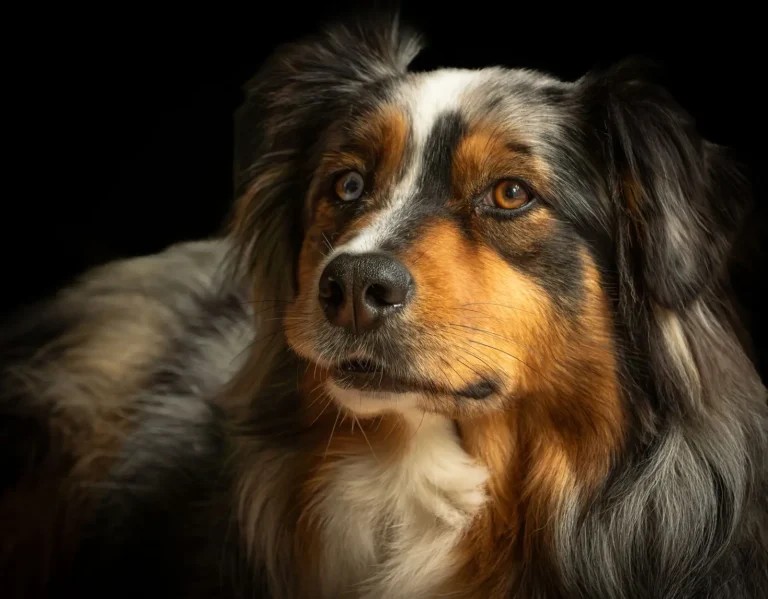

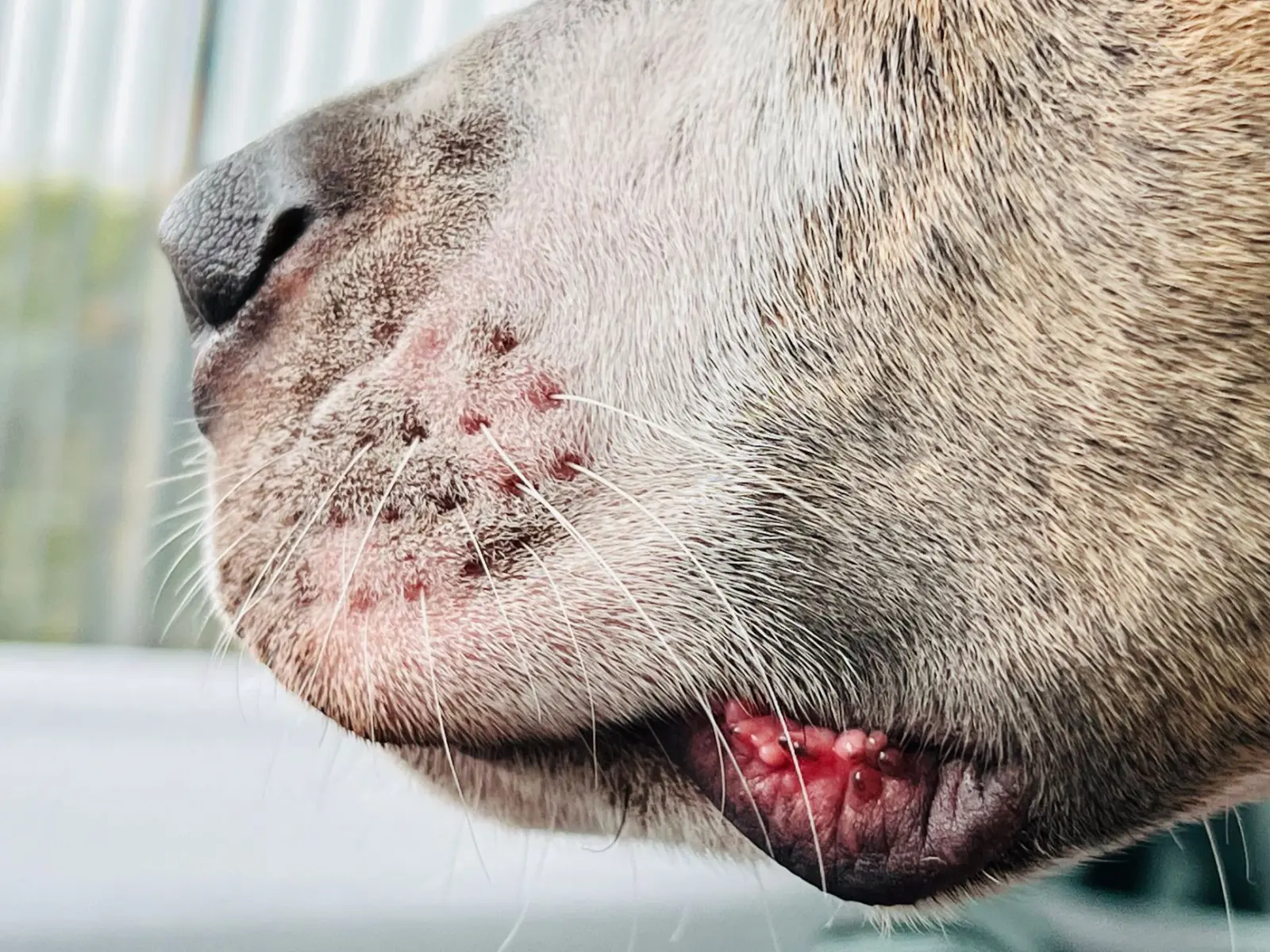
Australian Shepherds develop hot spots more often than many other breeds, and after working with dozens of them over the years, I’ve noticed the pattern is rarely random. These acute moist dermatitis lesions appear suddenly – often within hours – and owners frequently miss the window where intervention is easiest. The breed’s thick double coat creates the perfect environment for moisture to get trapped against the skin, and their high energy levels mean they’re constantly moving through grass, water, and brush where irritants accumulate.
The frustrating part is that hot spots often feel like they come out of nowhere. An owner will see their dog scratching normally one day and find a raw, weeping patch the next. What’s actually happening is a cascade that started days or even weeks earlier. A minor irritation – maybe from fleas, allergies, or just friction from the coat – begins itching. The dog licks or chews at it. Moisture builds up. Bacteria colonize the area. Within a short window, the skin barrier breaks down completely and the lesion explodes into what we recognize as a hot spot.
Why the Coat Matters More Than People Realize
The Australian Shepherd’s coat is their defining feature, but it’s also their vulnerability. Unlike single-coated breeds, Aussies have a dense undercoat that sits directly against the skin. When that undercoat gets wet – whether from swimming, rain, or even just high humidity – it doesn’t dry quickly. Moisture lingers. The skin underneath stays warm and damp. Add friction from the dog’s own movement or from a collar rubbing, and you’ve created the exact conditions bacteria and yeast prefer.
I’ve seen hot spots develop most commonly in areas where the coat is thickest and friction is highest: behind the ears, along the shoulders, on the hindquarters, and at the base of the tail. These spots trap moisture naturally. If an Aussie has been swimming or rolling in wet grass, those areas stay damp for hours. The breed’s energy level works against them here too. They’re not dogs that lie still and dry off. They’re moving, playing, and generating heat, which keeps moisture trapped in the coat rather than allowing it to evaporate.
Underlying Triggers Often Go Unaddressed
Hot spots are almost never the primary problem. They’re a symptom of something else. In my experience, the most common trigger is flea allergy dermatitis, even in dogs on preventatives. A single flea bite can cause an allergic reaction that leads to intense itching. The dog scratches, the skin breaks down, and a hot spot forms. Other times it’s food allergies or environmental sensitivities that make the skin more reactive than it should be.
Ear infections frequently precede hot spots in Australian Shepherds. The breed’s ear structure – floppy enough to trap moisture but with enough hair inside to prevent good air circulation – makes them prone to chronic ear issues. When an ear infection is present, the dog scratches at the ear and surrounding area obsessively. That constant friction and self-trauma creates the perfect setup for a hot spot to develop nearby. I’ve learned to always check the ears thoroughly when an Aussie comes in with a hot spot, because treating just the skin lesion without addressing the ear infection means the problem will return.
Stress and boredom can also trigger excessive licking and chewing. Australian Shepherds are working dogs. When they’re not given adequate mental or physical stimulation, they develop anxious behaviors that manifest as obsessive grooming. A dog that’s under-exercised or isolated will lick at their legs or flanks repeatedly, and hot spots often develop in these self-inflicted areas.
Early Recognition Changes Everything
The difference between a hot spot that resolves in days and one that becomes a serious infection often comes down to catching it early. In the first 24 to 48 hours, the lesion is still localized. The skin is red and irritated but hasn’t yet developed the characteristic oozing, crusted appearance. At this stage, clipping the hair away, keeping the area clean and dry, and identifying the underlying cause can stop progression entirely.
Most owners don’t see the hot spot until it’s already well-established. By then, the area is visibly raw, often with a foul smell from secondary bacterial infection. The dog is licking it constantly because it’s uncomfortable, which makes it worse. At this point, veterinary intervention is usually necessary. Topical treatments alone rarely work once the lesion has reached this stage because the dog’s own licking keeps retraumatizing the area.
What I tell owners to watch for is any sign of excessive licking or chewing in one spot, combined with the slightest redness or hair loss. If you see your Aussie returning to the same area repeatedly, part the coat and look at the skin. If it’s red, warm, or slightly damp, that’s your window to act. Clip the hair short, dry the area thoroughly, and start investigating what triggered it. Is there a flea? Are the ears infected? Has something changed in the dog’s routine or diet?
Prevention Requires Attention to Coat Maintenance
Regular brushing isn’t just about keeping an Aussie’s coat looking good. It’s essential for preventing hot spots. When you brush regularly, you remove dead undercoat before it mats and traps moisture. You also get a chance to inspect the skin regularly and catch early signs of irritation. I recommend brushing Australian Shepherds at least twice a week, more often during shedding season. This isn’t excessive for the breed – it’s baseline maintenance.
After swimming or getting wet, actually drying the coat matters. A quick towel-down isn’t enough. Many owners let their Aussies air-dry, which means the undercoat stays damp for hours. For dogs prone to hot spots, a blow dryer on a cool setting, used carefully to dry the undercoat, makes a real difference. It takes time, but it’s preventive work that pays off.
Keeping the coat mat-free is equally important. Mats create pockets where moisture accumulates and air can’t circulate. A matted coat is essentially a breeding ground for the conditions that cause hot spots. If an Aussie’s coat starts matting, addressing it quickly prevents the moisture trap from forming.
Flea and tick prevention should be consistent and reliable. Even with preventatives, some dogs still have breakthrough infestations or allergic reactions to flea saliva. Knowing your dog’s individual response to different products matters. Some Aussies do better on oral preventatives, others on topical treatments. Consistency matters more than which specific product you choose.
Australian Shepherds that have had one hot spot tend to have them again. Once the skin has been compromised, it’s more vulnerable to future issues. For these dogs, staying ahead of potential triggers – managing allergies, preventing ear infections, maintaining coat health, and ensuring adequate exercise – becomes part of their routine care. It’s not complicated work, but it does require attention and follow-through.