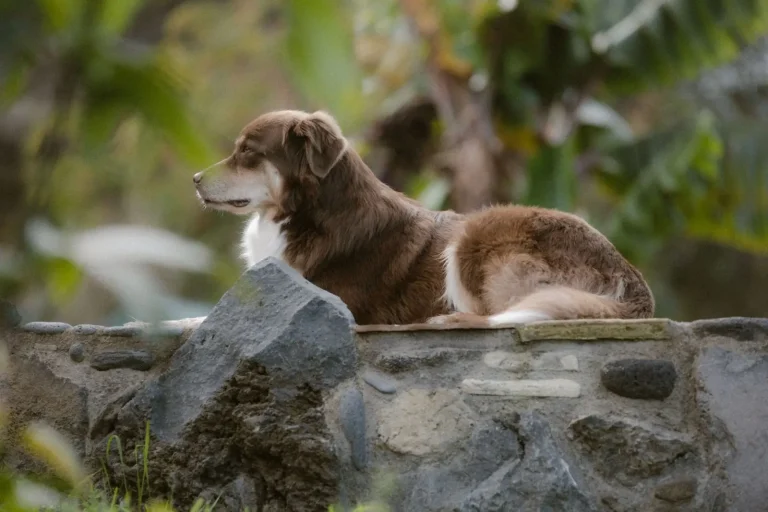


An Australian Shepherd in Tasmania presents a particular set of conditions that don’t always align with what breed guides suggest. I’ve worked with enough of these dogs over the years to recognize that Tasmania’s climate, terrain, and lifestyle create a distinct experience compared to raising one on mainland Australia or in warmer climates. The breed thrives here, but not without understanding what that actually means day to day.
Tasmanian weather is the first reality to contend with. The state’s cool, often damp conditions are actually well-suited to the Australian Shepherd’s double coat, which was developed to handle variable temperatures and weather exposure. Unlike owners in hot inland regions who struggle with heat stress and excessive shedding, Tasmanian owners rarely face that particular pressure. The coat sheds seasonally, but not with the intensity you’d see in hotter climates. That said, the dampness here creates its own friction. A wet dog that spends time in the bush or on wet grass needs proper drying, or skin issues can develop quietly. The coat’s water-resistant properties help, but they’re not absolute protection against prolonged moisture exposure.
What strikes me most about Australian Shepherds in Tasmania is how the landscape shapes their behavior. These are working dogs with genuine herding instinct and high prey drive. Tasmania’s mix of open farmland, dense scrub, and proximity to wildlife means that instinct finds constant stimulation. A dog that might become frustrated or destructive in a suburban environment often channels that energy productively here. But this also means containment and recall become non-negotiable. An Australian Shepherd with poor recall in Tasmania isn’t just inconvenient – it’s a genuine safety issue. Native wildlife, including wallabies and Tasmanian devils in some areas, can trigger chase responses that lead dogs far from home or into dangerous situations.
Exercise Needs and the Tasmanian Advantage
The breed’s exercise requirements are often overstated in generic breed descriptions, but in Tasmania, the environment actually supports what these dogs genuinely need. They’re not hyperactive animals requiring eight hours of structured activity daily. What they need is purposeful work or engagement. Tasmania’s landscape provides natural opportunities for this. Access to farmland, bush trails, and open spaces means an Australian Shepherd can engage in the kind of self-directed activity – tracking scents, navigating terrain, problem-solving – that satisfies them more effectively than repetitive fetch sessions in a backyard.
That said, I’ve observed that owners sometimes mistake access to space for adequate management. A dog left alone in a large property all day isn’t necessarily exercised. Australian Shepherds are social animals and benefit from interaction with their owners during activity. The difference between a dog that’s been outside for hours and a dog that’s spent an hour actively working alongside a person is significant. In Tasmania, where many properties are rural or semi-rural, the temptation exists to assume the dog is getting what it needs simply by being present. It’s not quite that simple.
Training and Temperament in Practice
Australian Shepherds are intelligent and responsive to training, but their intelligence can be misread. They’re not eager-to-please in the way some breeds are. They’re independent thinkers with strong opinions about whether a given instruction makes sense to them. This becomes apparent quickly in Tasmania, where many owners engage in more informal, relationship-based training rather than structured obedience work. The breed responds well to this approach when it’s consistent, but it requires genuine leadership. A dog that perceives uncertainty or inconsistency in its owner will make its own decisions, often confidently and in ways that create friction.
Temperament varies, but the dogs I’ve worked with in Tasmania tend toward reserved rather than outgoing. They’re often cautious with strangers and selective about their social circle. This isn’t shyness or fear – it’s discrimination. They observe before engaging. In a rural Tasmanian context, this is generally an asset. It means they’re less likely to approach unfamiliar dogs or people without assessment. It also means socialization as puppies is genuinely important, not just a recommended checkbox. A poorly socialized Australian Shepherd can develop territorial or protective behaviors that become entrenched and difficult to modify.
Health Considerations Specific to Tasmania
The breed carries some genetic predispositions worth noting. Hip dysplasia occurs, though not at alarming rates in well-bred lines. More relevant to Tasmania specifically is the risk of certain parasitic and tick-borne conditions. The state’s wildlife and vegetation support tick populations, and Australian Shepherds with access to bush and farmland are exposed. Regular checking and appropriate preventative treatment isn’t optional – it’s routine maintenance. I’ve seen owners who underestimate this risk, particularly those new to rural living. A dog that spends time in long grass or scrub needs tick checks after every outdoor session, particularly during warmer months.
Eye conditions, including progressive retinal atrophy and collie eye anomaly, appear in the breed. Responsible breeders screen for these, but it’s worth knowing what to watch for. A dog showing reluctance to move in low light or appearing to have difficulty with depth perception warrants veterinary assessment. Tasmania’s relatively short daylight hours in winter can mask early vision issues if owners aren’t paying attention.
Ear infections are common in dogs with the breed’s ear structure, and Tasmania’s damp climate doesn’t help. Regular ear cleaning and drying after water exposure prevents most issues, but it’s an ongoing task rather than something you do once and forget. Dogs that spend time swimming or in wet conditions need particular attention here.
The Reality of Coat Maintenance
The double coat requires regular brushing. This isn’t a cosmetic preference – it’s functional maintenance. Matting can develop quickly if the undercoat isn’t worked through regularly, and once matting begins, it traps moisture against the skin. In Tasmania’s damp climate, this creates conditions for skin issues. Brushing twice weekly during shedding seasons and weekly otherwise keeps the coat healthy and prevents most problems. Some owners find this tedious. It’s worth being honest about this before committing to the breed, because skipping it creates cascading issues.
Bathing is necessary but shouldn’t be frequent. Once a month or when genuinely needed is sufficient. Over-bathing strips natural oils and can actually increase shedding and skin sensitivity. Tasmania’s water tends to be soft, which is actually favorable for coat health compared to harder water areas.
Living with an Australian Shepherd in Tasmania works well when owners understand what the breed actually is and what the environment actually offers. These dogs aren’t pets that tolerate Tasmania – they’re dogs that fit the landscape and lifestyle genuinely well. The key is recognizing that fit requires active engagement, not passive ownership. The breed’s intelligence and independence mean they thrive with owners who are genuinely present and interested in what they’re doing, not owners who assume rural property and good intentions are sufficient. In that context, Tasmania provides an environment where Australian Shepherds express themselves fully and develop into capable, stable companions.