
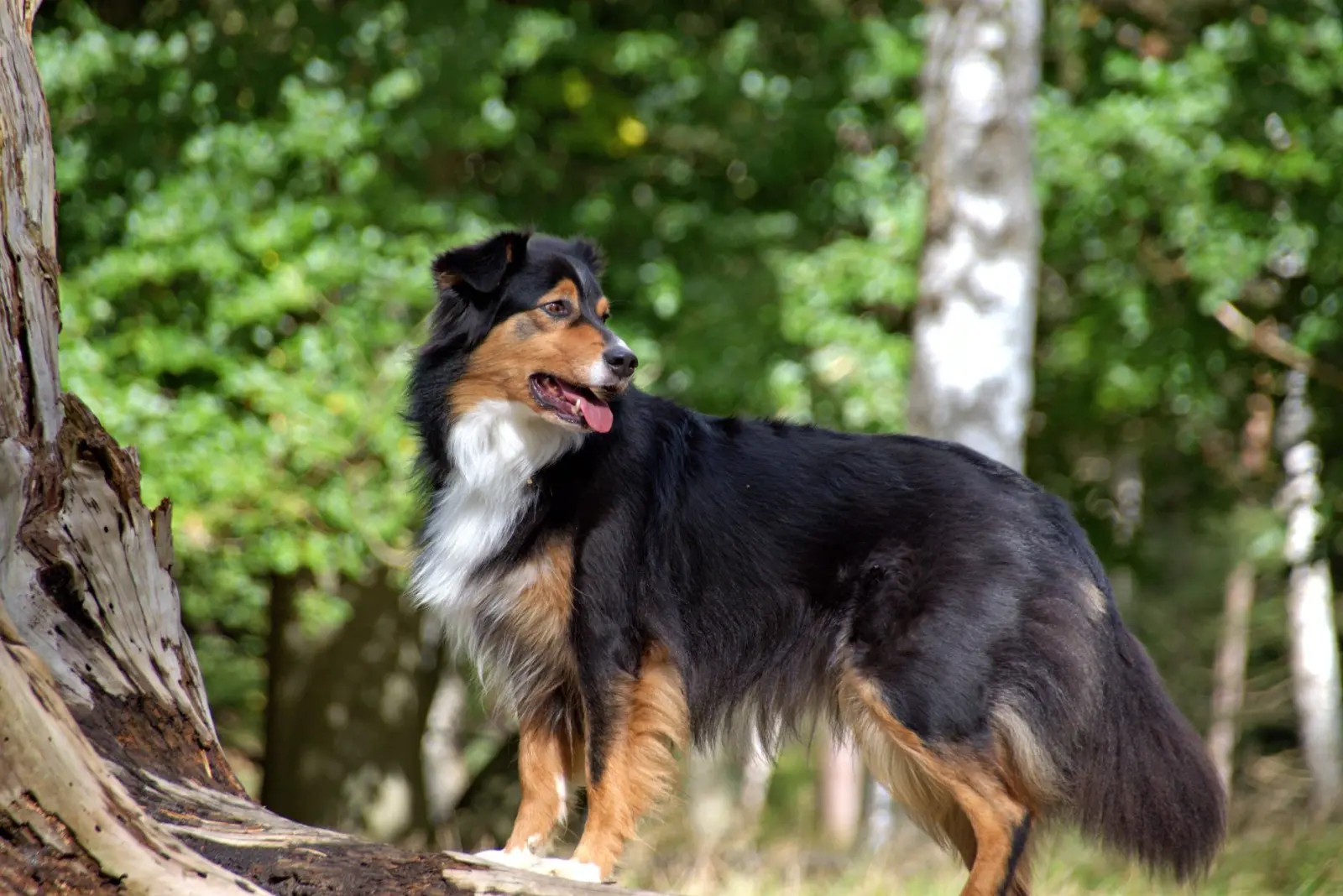
Australian Shepherds are vocal dogs. This isn’t a flaw or a training failure – it’s wired into them. After years of working with this breed, I’ve learned that the goal isn’t to create a silent dog. It’s to help them understand when barking is appropriate and when it isn’t. The breed was developed to move and control livestock, which means they were selected for alertness, responsiveness, and the ability to communicate at distance. That heritage doesn’t disappear because a dog lives in a suburban home.
Most owners I’ve worked with come to me expecting to eliminate barking entirely. When I explain that’s unlikely, there’s often disappointment. But once they shift their mindset to managing and channeling the behavior rather than stopping it, progress becomes real. An Australian Shepherd that barks selectively is actually working as designed. One that barks at everything is usually trying to tell you something about how they’re spending their mental and physical energy.
Why They Bark at Everything
The first thing to understand is that excessive barking in this breed rarely happens in a vacuum. It’s almost always a symptom of under-stimulation, unclear boundaries, or both. I’ve seen dogs that bark constantly in a quiet living room suddenly become much quieter once they’re given a real job to do – herding practice, agility work, or even structured play sessions that require focus.
Some Australian Shepherds bark because they’re genuinely alert and protective, and no one has taught them the difference between noticing something and announcing it. Others bark because they’ve learned it works. If a dog barks and you respond – whether with attention, correction, or even just looking up – you’ve rewarded the behavior. The dog doesn’t care if the attention is positive or negative. Attention is attention.
Boredom is also a major factor, though it’s often overlooked. People sometimes assume that a dog with a yard has enough exercise. A fenced yard without engagement is just a larger cage. An Australian Shepherd in a yard alone will invent things to do, and barking at birds, shadows, or the neighbor’s dog becomes entertainment.
Exercise and Mental Work Matter More Than You’d Think
I’ve rarely seen an Australian Shepherd with a serious barking problem that didn’t improve once the owner committed to real daily exercise and mental engagement. This doesn’t mean a 20-minute walk around the block. It means activities that actually tire the dog’s brain: puzzle games, training sessions, herding work if available, or even structured play that requires decision-making.
The distinction between physical and mental exercise is important. A dog can run for an hour and still have a full tank mentally. An Australian Shepherd that spends 30 minutes solving a puzzle or learning a new command often settles more quickly than one that’s been running loose. Their brain is what drives them, not just their legs.
What I typically recommend is a combination approach. Morning exercise – something active that gets the heart rate up – followed by a mental work session in the afternoon. Even 15 minutes of focused training or puzzle work can shift a dog’s entire day. The dogs that bark the least are usually the ones whose owners have built this into their routine, not as punishment or correction, but as normal life.
Teaching Quiet Doesn’t Mean Punishing Bark
This is where a lot of training goes wrong. People try to suppress barking through correction – yelling, scolding, or using tools designed to punish the behavior. With Australian Shepherds, this often backfires. They’re sensitive dogs, and harsh corrections can make them anxious, which leads to more barking, not less.
What actually works is teaching an alternative behavior. When a dog barks at the window, instead of saying “no” repeatedly, I redirect to something else: “sit,” “go to your mat,” or “look at me.” The dog learns that when that trigger appears, the right response is to do something other than bark. This takes repetition and consistency, but it works because you’re not fighting the dog’s instinct to alert. You’re channeling it.
Capturing quiet moments is equally important. When your Australian Shepherd is calm and quiet, that’s the moment to reward. Many owners only interact with their dogs when they’re doing something wrong or demanding attention. Rewarding the quiet moments – with a treat, a quick word of praise, or a brief play session – teaches the dog that calm behavior gets results.
Boundaries and Predictability
Australian Shepherds actually do well with clear structure. They’re working dogs, and working dogs understand roles and expectations. When a dog knows which rooms they have access to, when exercise happens, when training happens, and when they’re expected to settle, barking often decreases simply because the dog has fewer decisions to make.
Some of the quietest Australian Shepherds I’ve known lived in homes with consistent routines. Not rigid or harsh, but predictable. The dog knew that morning meant exercise, midday meant some training or puzzle work, and evening meant settling time. That predictability reduces anxiety, which reduces unnecessary barking.
Regarding triggers specifically – if your dog barks at the doorbell, mailman, or other dogs – don’t avoid the trigger. That teaches the dog that barking works to make things go away. Instead, desensitize gradually. Have a friend ring the bell while the dog is on a mat, rewarding calm behavior. Work with distance and repetition. This takes weeks or months, not days, but it addresses the root issue rather than just managing the symptom.
One thing I’ve noticed over time is that owners who succeed with this breed tend to view their Australian Shepherd as a partner rather than a pet to be controlled. That shift in perspective changes how you approach training. You’re not trying to suppress a dog’s nature. You’re helping them express it appropriately. A dog that barks when there’s genuinely something to alert about, and stays quiet when there isn’t, is doing exactly what the breed was designed to do. Getting there requires patience and consistency, but it’s absolutely achievable.