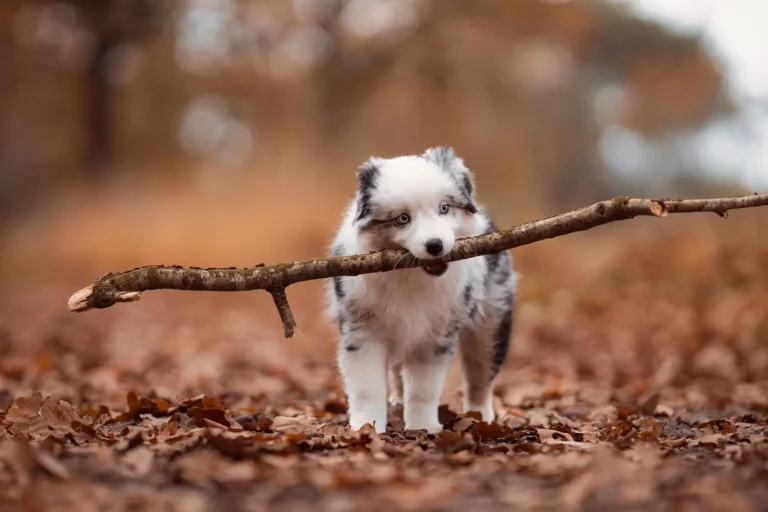

Australian Shepherds are working dogs with a natural drive to learn and respond to direction. Teaching them toy names taps into that instinct, though the process looks different than teaching a sit or a down. There’s no external pressure or correction involved – it’s purely about building associations through repetition and reward. Over the years, I’ve worked with dozens of Aussies on this, and the ones who succeed tend to have owners who understand that naming toys is as much about consistency in the human as it is about the dog’s intelligence.
The basic mechanism is straightforward: a dog learns a toy name when that word becomes reliably paired with the object and something positive happens afterward. With Australian Shepherds, that positive outcome is usually play itself. These dogs don’t need much external motivation when it comes to toys – the act of playing is the reward. What they need is clarity. A toy name only sticks when the human uses it the same way every time, in the same context, without variation or confusion.
Most people start by picking a toy and using its name repeatedly during play sessions. They’ll throw the toy, say its name, and let the dog chase it. The dog begins to associate the sound with the object. But here’s where I see things go sideways: owners often switch between names for the same toy, use the name inconsistently, or introduce too many toys at once. An Australian Shepherd can absolutely learn multiple toy names, but not if the human is muddled about which toy is which.
Starting with One Toy and Building from There
I always recommend beginning with a single toy that the dog already shows interest in. Don’t pick a toy because it’s cute or because you think your dog should like it. Pick the one they actually reach for. This matters because the dog’s existing drive to interact with that object makes the naming process faster. You’re not trying to create interest – you’re labeling something that already exists.
Use the toy name consistently during play, but don’t overdo it. Say the name once or twice per session, not constantly. The dog doesn’t need to hear “ball, ball, ball” ten times in a row. They need to hear it in a context where they’re already focused on the ball. Once they’re engaged with it, the name lands. After a few weeks of regular play with that single toy, you’ll notice the dog responding to the word – they’ll look at the toy, move toward it, or show excitement when you say the name.
Australian Shepherds tend to pick up on this faster than many other breeds because they’re accustomed to reading human direction and responding to verbal cues. Their herding background means they’ve been bred to pay attention to commands and adjust their behavior based on what a handler wants. That said, they’re not mind readers. The name has to be distinct and used in a way that makes sense to the dog.
Distinguishing Between Toys
Once the first toy name is solid, introducing a second toy follows the same pattern. The key is making sure the toys look and feel different enough that the dog can tell them apart. A red ball and a blue ball might look different to you, but if they’re the same size and weight, the dog might not distinguish them as separate objects. I’ve found that varying texture, size, and color all help. A squeaky toy, a rope toy, and a ball are easy for a dog to differentiate. Two similar balls are not.
The dog needs to understand that each name refers to a specific object. If you’re inconsistent – sometimes calling the rope toy “rope” and sometimes calling it “tug” – the dog gets confused. They might respond to the sound, but they won’t know which toy you’re referring to. With Australian Shepherds, confusion often leads to frustration, and they may simply stop responding to the names altogether.
Some dogs naturally gravitate toward certain toys and ignore others. This is normal. You can teach a name for a toy the dog doesn’t particularly like, but it takes longer and requires more repetition. The dog has less motivation to engage with it, so the association builds more slowly. If a toy isn’t getting play anyway, there’s no practical reason to name it.
What Gets in the Way
The most common obstacle I see is inconsistency on the human side. A family might call one toy “ball,” then the next person calls it “fetch ball,” then someone else just says “toy.” The dog hears three different words and doesn’t know if they all mean the same thing or different things. This is especially true in households with multiple people. If you’re serious about teaching toy names, everyone needs to use the same word.
Another issue is timing. Saying the toy’s name after the dog has already lost interest doesn’t work. The name needs to be paired with the dog’s active engagement. If your dog has already moved on to something else and you call out the toy name, the association weakens. Timing matters more than frequency.
Some owners also make the mistake of treating toy names like obedience commands. They expect the dog to drop everything and fetch the named toy on cue, as if the dog has been formally trained to retrieve. That’s a different skill entirely. Knowing a toy’s name means the dog recognizes the word and associates it with an object. Reliably retrieving that specific toy on command involves additional training – impulse control, direction following, and the retrieve itself.
Practical Patterns That Work
What I’ve seen work consistently is incorporating toy names into natural play. During a regular fetch session, use the toy’s name once or twice. During tug play, name the toy. When you’re putting toys away, name them as you pick them up. The dog hears the name in multiple contexts, all of which involve the toy, so the association strengthens.
Australian Shepherds also respond well when toy names become part of a routine. If you always say “Get your ball” before a specific play session, the dog learns that phrase predicts play. The name becomes a cue for something good about to happen. Over time, the dog might even start bringing you the toy when they hear the name, not because they’ve been trained to retrieve it, but because they’ve learned that the name means play is happening.
I’ve also noticed that some dogs learn toy names faster if the toys make distinct sounds. A squeaky toy has an obvious auditory component. A ball that bounces and rolls has movement. A rope toy feels different in the mouth. These sensory differences help the dog create a clear mental picture of what each name refers to. A toy that’s visually similar to others but makes a unique sound can be a useful tool for teaching.
The timeline varies. Some Australian Shepherds reliably recognize a toy name after two or three weeks of regular play. Others take six to eight weeks. It depends on how often you’re playing, how consistent you are with the name, and how much the dog actually cares about that toy. Dogs that live in active households with frequent play sessions tend to pick up names faster than dogs that get occasional toy time.
What matters most is that you’re not forcing it. If a dog isn’t picking up a toy name after several weeks of consistent use, it’s usually because either the toy isn’t interesting enough to the dog, or the naming isn’t consistent enough in the household. It’s rarely because the dog can’t learn. Australian Shepherds are capable of learning many words. The limitation is almost always on the human side – either in consistency or in matching the toy to the dog’s actual preferences.