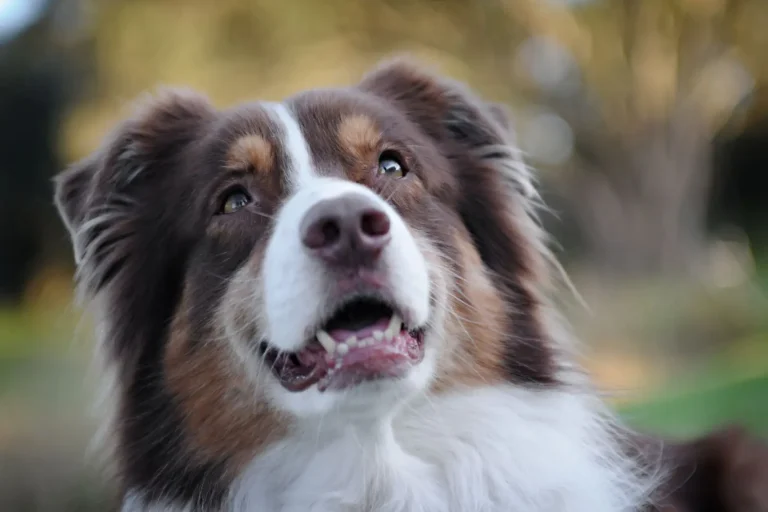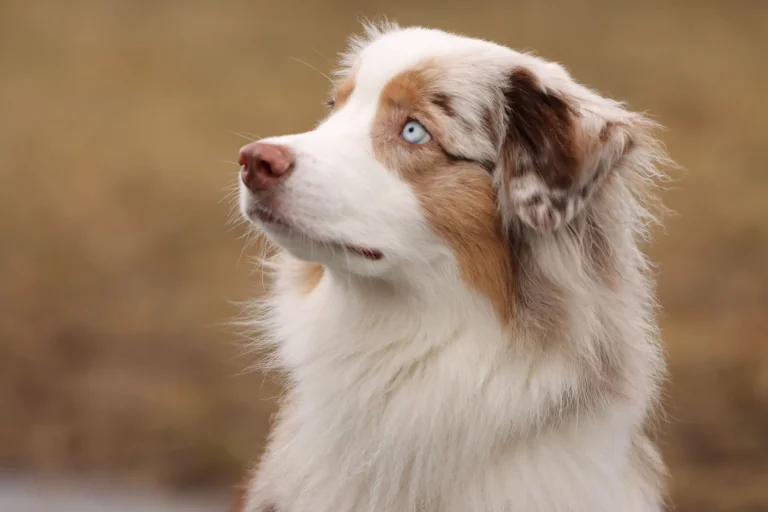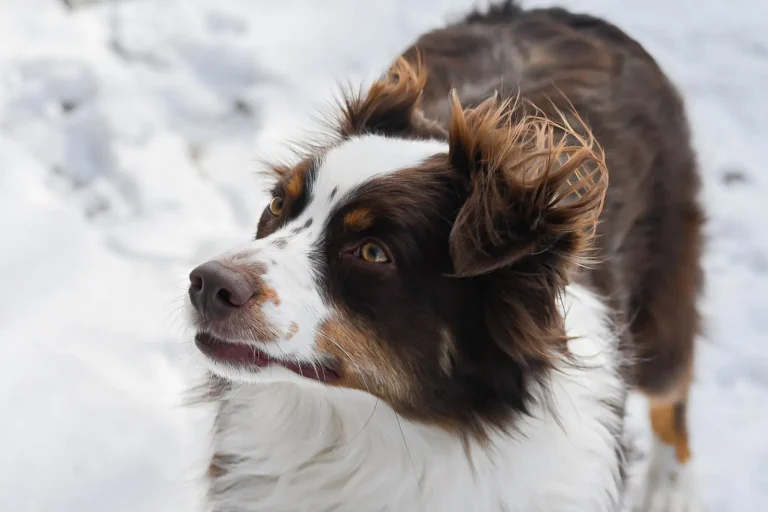

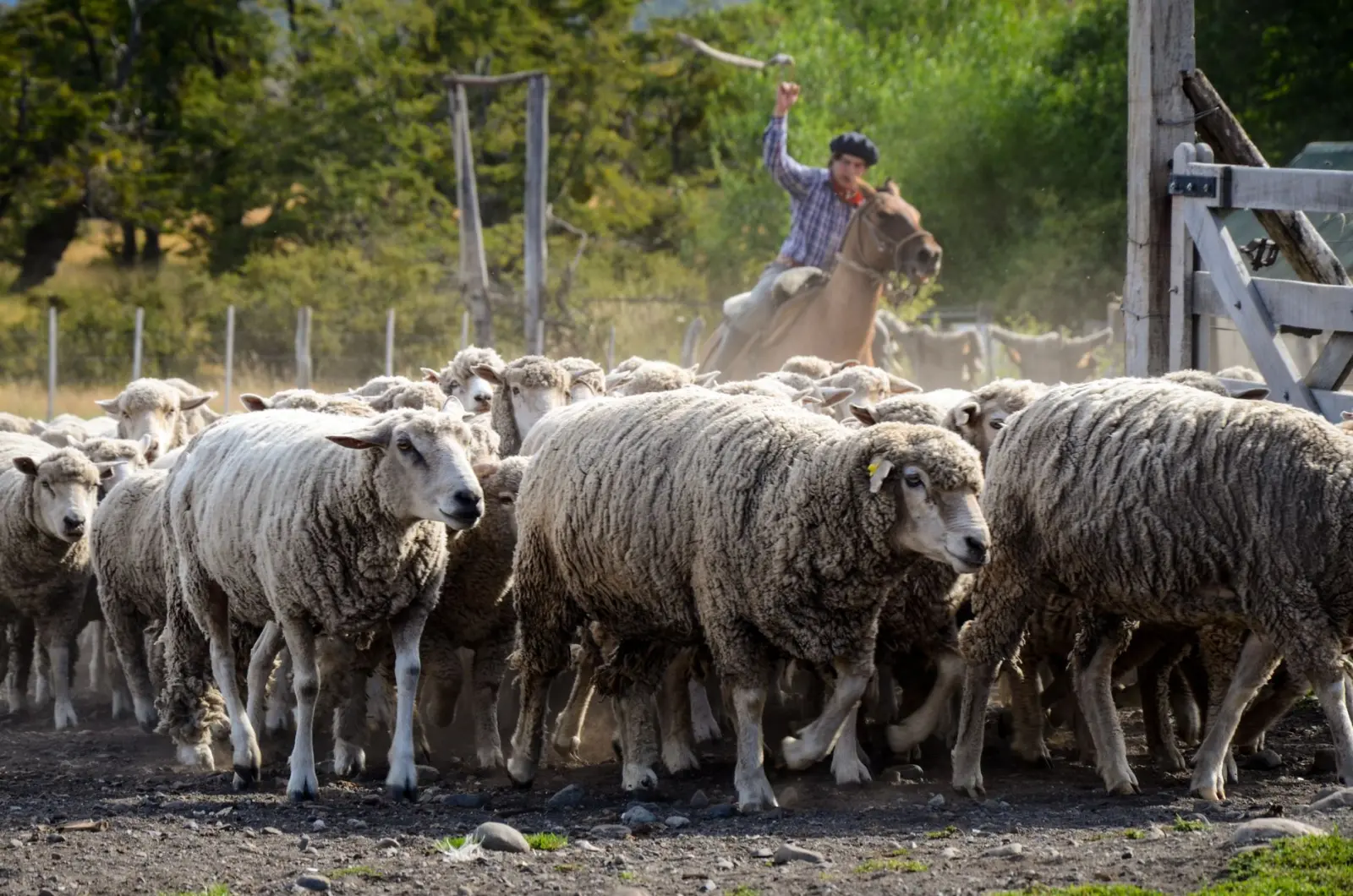
Australian Shepherds weren’t actually bred in Australia, which tends to surprise people when they first learn it. The breed emerged in the American West during the 1800s, developed by ranchers who needed capable herding dogs for managing sheep and cattle across large, rough terrain. The “Australian” part of the name likely refers to the Basque shepherds who brought their herding dogs with them when they migrated to California during the gold rush, many of whom had come from Australia or worked with Australian stock. The name stuck, even though the breed itself is fundamentally American in its modern form.
What ranchers needed most was a dog that could work independently for hours, make decisions on its own, and handle the physical demands of moving livestock across open country and through difficult brush. A herding dog on a Western ranch wasn’t a pet or a show animal. It was a working partner that had to be tough enough to take a kick from a steer, smart enough to anticipate where animals would move, and driven enough to stay focused on the job without constant direction from the handler.
The Working Conditions That Shaped the Breed
The terrain and climate of the American West created specific demands. Ranches covered thousands of acres, often with scattered water sources and uneven ground. A dog working in those conditions needed stamina that lasted all day in heat or cold. It needed the agility to move quickly between animals and the strength to turn a stubborn animal when necessary. The dogs also had to be versatile. A single dog might herd sheep one day and cattle the next, or move between different tasks depending on what the ranch required at any given moment.
Ranchers selected for dogs that showed natural herding instinct combined with the ability to control that instinct when needed. A dog that was too aggressive would injure stock and reduce its value. A dog that was too soft wouldn’t get the job done. The balance had to be precise. Over generations, breeders selected for dogs that had what I’d call a controlled intensity – animals that could turn their focus on and off, that understood pressure and release, and that responded to subtle cues from the handler.
The physical traits followed from the work. Medium size was practical. A large dog consumed more feed and tired faster in the heat. A small dog lacked the physical presence to influence large animals. The coat needed to shed dirt and dry quickly after crossing water. The ears were naturally selected to be alert and mobile, since hearing was important in open country. The tail provided balance during quick directional changes. None of these traits were arbitrary – they all reflected what worked on a functioning ranch.
Mixing Bloodlines for Practical Results
Early Australian Shepherds came from a mix of herding dogs that ranchers already had access to. Basque shepherds brought their own working dogs. Some ranches used Collie bloodlines. Others incorporated Australian Kelpies or Border Collie genetics. What mattered wasn’t purity of lineage but whether a dog could do the work. Ranchers bred what worked, and over time, certain traits became more consistent within the population. The dogs that survived and reproduced were the ones that could herd effectively, stay healthy in rough conditions, and respond to their handlers.
This practical breeding approach meant the early Australian Shepherds were more variable than modern dogs. You might see different coat colors, ear shapes, and temperaments within the same ranch’s working stock. But the core traits – the herding ability, the work ethic, the intelligence – remained consistent because those were the traits that determined whether a dog stayed on the ranch or was culled from the breeding population.
The Transition From Ranch to Show Ring
As ranching became more mechanized and the American West became more settled, the Australian Shepherd’s role began to change. By the mid-20th century, the breed started appearing in dog shows and competitions. Breeders began to standardize appearance more strictly, creating written breed standards that defined what an Australian Shepherd should look like. This formalization helped preserve the breed, but it also shifted the focus from pure working ability to a combination of working ability and aesthetic traits.
The interesting tension that emerged was between the dogs bred primarily for ranch work and those bred for the show ring. Working lines and show lines began to diverge. A ranch dog might be selected for herding ability above all else, while a show dog was selected for conforming to the breed standard while also maintaining herding instinct. Both approaches had merit, but they produced slightly different dogs. Someone looking for an Australian Shepherd today needs to understand which line they’re getting.
What hasn’t changed fundamentally is the breed’s core drive. Australian Shepherds still have the herding instinct, the intelligence, and the work ethic that their ancestors needed on Western ranches. That intensity and focus can be an asset in the right environment – in herding trials, agility competitions, or on a working farm. In a suburban home without a job to do, that same intensity can become problematic. The breed was created for a specific purpose, and understanding that purpose helps explain why these dogs behave the way they do today.