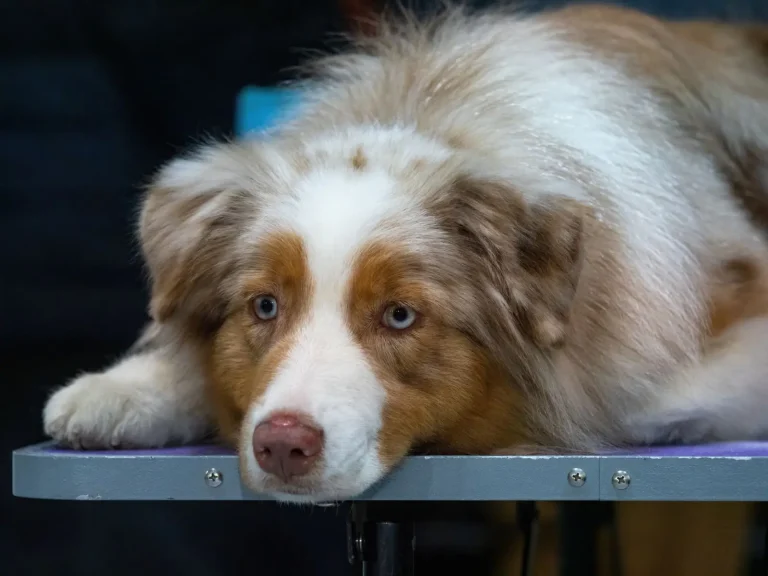


Australian Shepherds show up in family homes with regularity, and I’ve watched enough of them settle in – or struggle – to understand what makes the difference. They’re often marketed as ideal family companions, and there’s truth to that claim, but it comes with conditions that many households underestimate at the start.
The core appeal is straightforward: these dogs are intelligent, trainable, and genuinely engaged with the people around them. They bond closely with their families and tend to be naturally protective without being aggressive. They’re medium-sized, which suits most living situations better than giant breeds, and they’re athletic enough to keep up with active children. In the right environment, an Australian Shepherd becomes a reliable, involved family member who seems genuinely invested in what everyone is doing.
But here’s where experience matters. The dogs that thrive are the ones whose families understand that an Australian Shepherd isn’t a low-maintenance pet. These dogs were bred to work – to move livestock across open terrain, to make decisions independently, and to stay focused for hours. That genetic blueprint doesn’t switch off in a suburban home. It expresses itself as a need for purposeful activity and mental stimulation that goes beyond a daily walk around the block.
The Energy Question
I’ve seen families bring home an Australian Shepherd expecting a moderately active dog, only to find themselves with a restless animal that becomes destructive or develops behavioral quirks within weeks. The dog isn’t broken or poorly bred. It’s bored and understimulated. A tired Australian Shepherd is a well-behaved Australian Shepherd. An under-exercised one often isn’t.
This doesn’t necessarily mean running miles every day, though some dogs thrive on that. It means consistent, structured activity. A solid hour of purposeful exercise – fetch, agility work, herding games, or sustained running – most days of the week is closer to baseline than optional. Some Australian Shepherds need more. Some can get by with slightly less, but the pattern holds across the breed. Families that already run, hike, or engage in dog sports find this natural. Families that don’t often find themselves frustrated.
The mental side is equally important and often overlooked. An Australian Shepherd left alone in a yard for eight hours, even a large yard, doesn’t decompress the way a less intelligent breed might. The dog’s mind stays active, and without appropriate outlets, that intelligence can turn inward – obsessive behaviors, fence running, excessive barking, or even self-directed anxiety. Training sessions, puzzle toys, and varied environments help, but they’re not substitutes for real work or play.
Temperament With Children
Australian Shepherds generally do well with children, particularly when raised with them from puppyhood. They’re patient and playful without being overly boisterous or fragile. The herding instinct occasionally surfaces as a tendency to nip at heels or chase moving objects, which is worth noting if you have very small children or toddlers who move unpredictably. This isn’t aggression – it’s an ingrained behavioral pattern – but it can startle or upset a young child if it happens without warning.
Socialization matters here. An Australian Shepherd that’s been exposed to children of various ages and activity levels tends to calibrate its behavior appropriately. One that hasn’t may be uncertain or overly cautious around kids, or conversely, may not understand how to modulate its energy around them. The breed’s intelligence works in your favor: these dogs learn quickly what’s expected and generally comply once they understand the rules.
Shedding and Grooming Reality
The coat is a practical consideration that deserves honesty. Australian Shepherds shed year-round and heavily during seasonal coat blows. Twice a year, usually spring and fall, the volume of hair is substantial. Families that are bothered by dog hair on furniture, clothing, and floors need to know this upfront. Regular brushing – several times a week, and daily during heavy shedding periods – helps manage it but doesn’t eliminate it. This isn’t a breed for people who want a tidy home without dog hair compromise.
Grooming itself is manageable. Most Australian Shepherds don’t require professional grooming unless you prefer a particular aesthetic. Regular brushing, nail trimming, and ear checks are the essentials. The coat is relatively weather-resistant and doesn’t have the matting issues that longer-haired breeds sometimes develop, so maintenance is straightforward if you stay consistent.
Living Situations and Space
Apartment living is possible but not ideal for most Australian Shepherds. They can adapt to smaller spaces if their exercise and mental stimulation needs are genuinely met, but it requires discipline and commitment. A family in an apartment that runs the dog for an hour every morning before work and engages in training or play sessions in the evening can make it work. A family that expects the dog to be content with a few short walks and yard time will likely find the arrangement frustrating for both parties.
A yard is helpful but not a substitute for active engagement. An Australian Shepherd left to its own devices in a yard doesn’t self-exercise meaningfully. It may patrol, bark at stimuli, or develop obsessive patterns. The yard becomes more valuable as an extension of training or play space rather than as independent exercise.
Training and Consistency
These dogs are eager to please and quick to learn, which makes training rewarding. They respond well to clear expectations and consistent reinforcement. The flip side is that they’re also sensitive to inconsistency. If one family member enforces rules strictly and another doesn’t, the dog notices and tests boundaries accordingly. Families that maintain consistent expectations across all members tend to have well-mannered dogs. Those that don’t often end up with dogs that are obedient with one person and less so with another.
Australian Shepherds benefit from ongoing mental engagement through training. Many thrive in structured activities like obedience competition, agility, or herding trials. Even informal training sessions a few times a week keep their minds engaged and strengthen the bond with their handlers. Families that view training as a one-time event rather than an ongoing practice sometimes find their dogs plateau or regress.
The honest assessment is this: Australian Shepherds are excellent family dogs for households that are genuinely active and willing to provide consistent mental and physical engagement. They’re poor fits for families that want a dog that’s content to be largely independent or that can’t commit to regular, purposeful activity. The breed’s intelligence, loyalty, and trainability are real strengths, but they come with expectations that match the dog’s nature. Families that understand and embrace those expectations typically find Australian Shepherds to be exactly what they’re looking for.