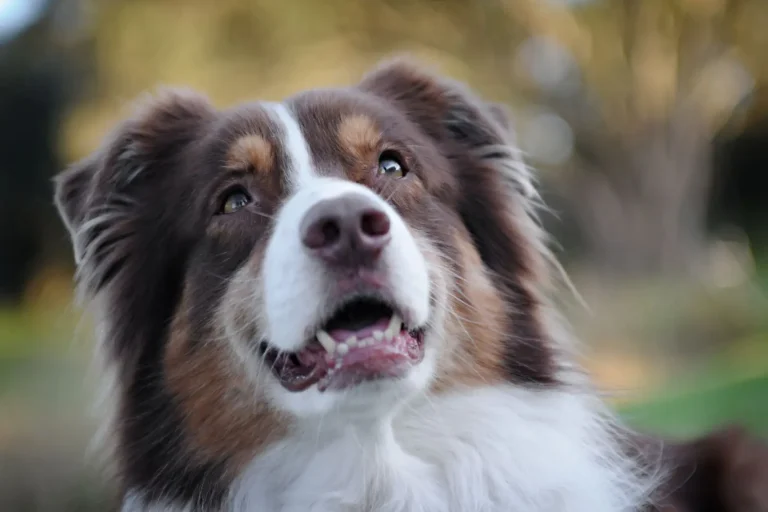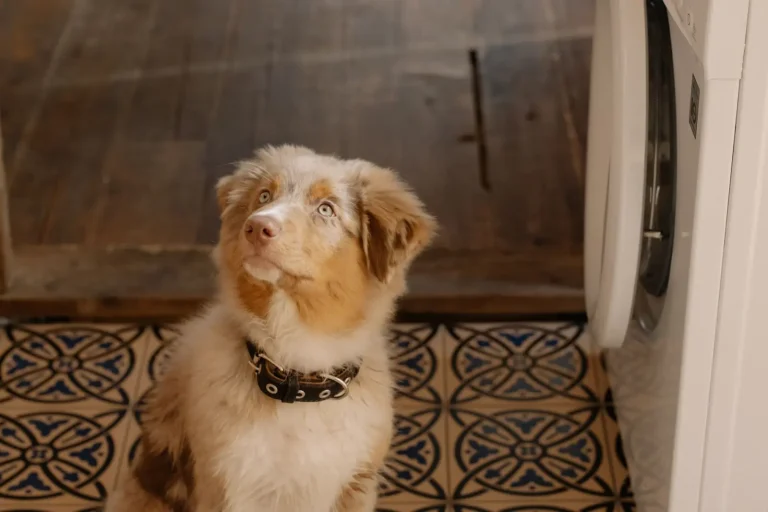

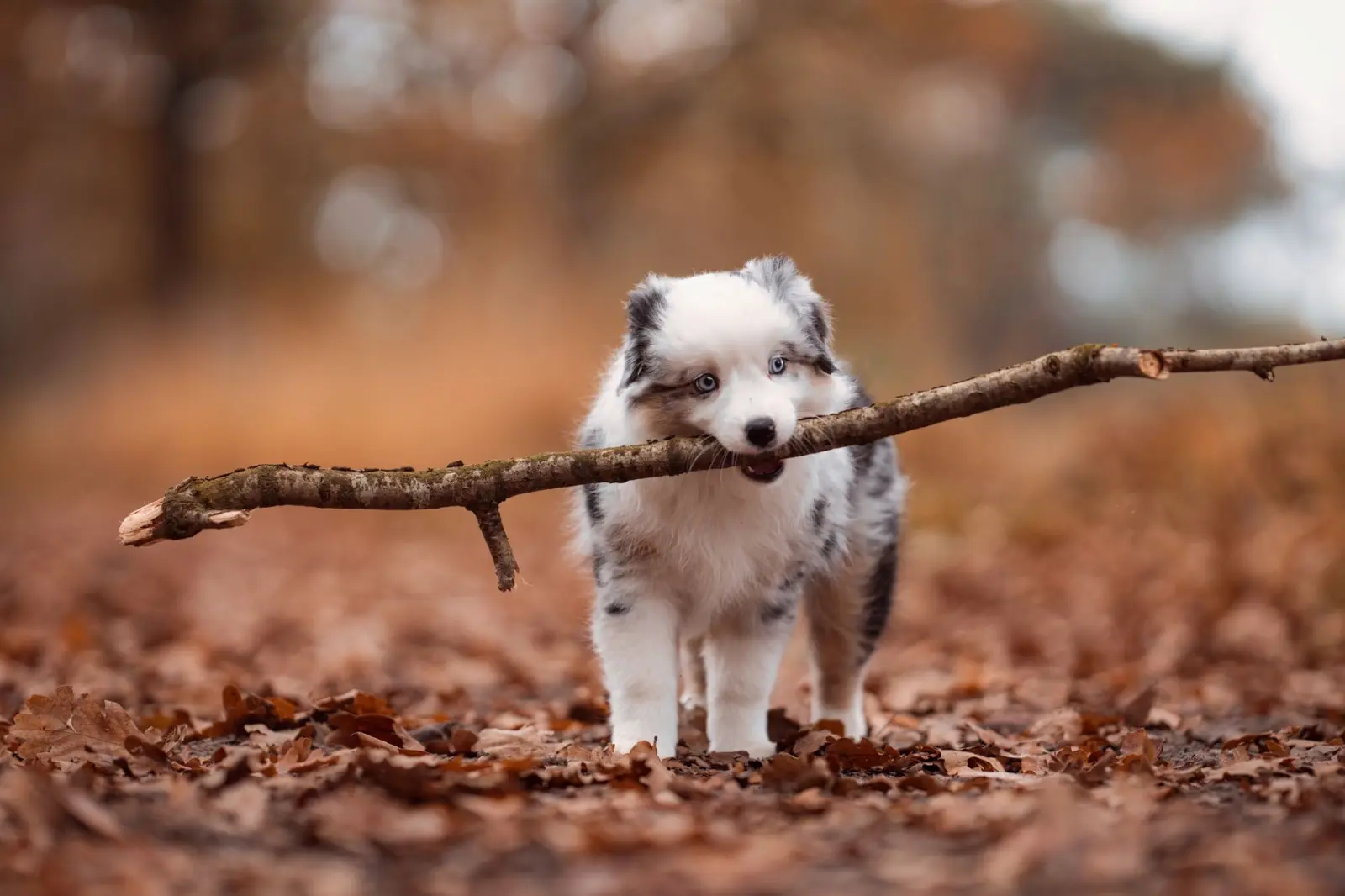
Australian Shepherds tend to do well with children, but not automatically and not in the way many people assume. I’ve worked with dozens of these dogs in homes with kids, and the outcome depends far more on the individual dog’s temperament, early exposure, and the family’s actual lifestyle than on the breed label alone. The breed reputation is largely earned, but it’s built on specific conditions that don’t always exist in every household.
The core appeal is real enough. These dogs were bred to herd livestock with precision and intelligence, which means they’re naturally attentive, responsive to direction, and capable of reading situations. That same focus and trainability translates reasonably well to family life. They notice what’s happening around them. They respond to correction. They’re not typically aggressive dogs, and they don’t have the unpredictable snap that you sometimes see in other breeds. But attention and responsiveness aren’t the same as patience or natural gentleness, and that distinction matters when children are involved.
The Herding Instinct and Movement
The most common friction point I’ve observed isn’t aggression – it’s the herding behavior itself. Australian Shepherds have a strong instinct to control movement. They’ll nip at heels, circle running children, and use their bodies to block or redirect. For some kids, this is fine. For others, especially younger children or those who startle easily, it creates genuine stress. A dog that’s trying to “herd” a toddler isn’t being malicious, but the behavior can feel intimidating or chaotic from the child’s perspective.
This impulse is strongest in dogs that haven’t been exposed to children early or that haven’t had clear boundaries set around it. A seven-week-old pup raised in a home with kids will usually learn to modulate that instinct naturally. A dog adopted at two years old with no prior exposure to children needs explicit training and management. The behavior doesn’t disappear, but it can be redirected or suppressed with consistency.
Energy Level and Boredom Tolerance
Australian Shepherds require genuine physical and mental exercise. This isn’t negotiable. A bored Aussie becomes a problem – destructive, obsessive, sometimes reactive. In a household with children, this creates a specific dynamic. If the family assumes the dog will exercise itself or that occasional play will suffice, the dog’s behavior tends to deteriorate. The dog becomes more intense, more likely to mouth or jump, and less reliable around the kids.
Families with active routines – hiking, running, regular outdoor time, structured play – report far fewer behavioral issues. The dog has an outlet. It’s calmer indoors. It’s more responsive to boundaries. Conversely, I’ve seen well-bred, temperamentally sound Aussies become genuinely difficult in sedentary households, not because they’re bad dogs but because their needs aren’t being met.
Individual Temperament Variation
Breed tendencies are real, but they’re not destiny. Within Australian Shepherds, you see significant variation in how naturally patient or tolerant individual dogs are with children. Some are naturally soft-mouthed and gentle. Others are harder, more intense, and less forgiving of the unpredictability that comes with kids. Responsible breeders select for temperament that suits family life, but not all breeders do this work.
A dog from a working line bred primarily for herding ability may have different temperament traits than one from a line selected for companionship and family suitability. This doesn’t make one better or worse overall, but it does affect how well that dog integrates into a household with children. Meeting the parents and observing the breeder’s selection criteria matters far more than assuming the breed is inherently child-friendly.
Age and Developmental Stages
Puppyhood with an Australian Shepherd and young children is genuinely demanding. These dogs are intelligent and responsive, but they’re also energetic and mouthy as puppies. A three-month-old Aussie will jump, nip, and play-bite. If the children are toddlers, this creates real management challenges. The dog isn’t being aggressive, but the interaction can still be overwhelming or scary for small kids.
Adolescence, roughly six to eighteen months, is often harder than puppyhood. The dog is larger, stronger, and still impulsive. The herding instinct becomes more pronounced. The dog may test boundaries more aggressively. Families that expect a well-mannered companion during this phase often find themselves frustrated. It’s not a sign the dog is unsuitable for the family – it’s a normal developmental stage that requires active management and training.
Adult Australian Shepherds, once past adolescence and with consistent training, typically settle into reliable family members. They’re protective without being aggressive. They’re engaged without being chaotic. But getting there requires patience and realistic expectations about what the dog will be like in the interim.
Supervision and Boundaries
Any dog with children requires supervision, but Australian Shepherds specifically benefit from clear, consistent boundaries around interaction. They need to understand that children are not objects to be herded, that jumping is not acceptable, and that the dog’s intensity needs to be modulated. This isn’t because they’re inherently prone to misbehavior – it’s because their natural instincts can create problems if left unchecked.
Families that establish these boundaries early and maintain them consistently report positive outcomes. Families that are inconsistent or that expect the dog to “figure it out” on its own tend to struggle. The dog isn’t being malicious when it circles a child or nips at heels, but the behavior needs management regardless of intent.
Australian Shepherds are generally good with children when the right conditions exist: a family with realistic expectations, adequate exercise and mental stimulation, early socialization or careful introduction to children, and consistent boundaries. They’re not universally child-friendly, and they’re not suitable for every family, but they’re also not problematic dogs in households where their needs are understood and met. The breed’s reputation is earned, but it’s conditional on the specifics of the home and the individual dog.